
How we understand learning
At Yuken we conceive learning as a path built by the dialogue between inquiry, integration of experiences, empathy, reflexivity and emotion.
Learning is a continuous process of reconstruction of experiences that enriches our knowledge and strengthens our skills, integrating cognitive, emotional and social aspects. That is why we believe in enabling learning, not teaching. With this approach, we encourage questioning, problem solving and acceptance of failures as valuable elements of learning. We create spaces of interaction for children and adults that invite exploration and inquiry, facilitating the acquisition of new skills and personal development.
In adults, we focus on mobilizing specific innovation competencies and interdisciplinary skills such as the ability to synthesize. We seek to support them in bringing about significant changes in their professional lives and in their communities, through innovative projects that generate a positive impact.
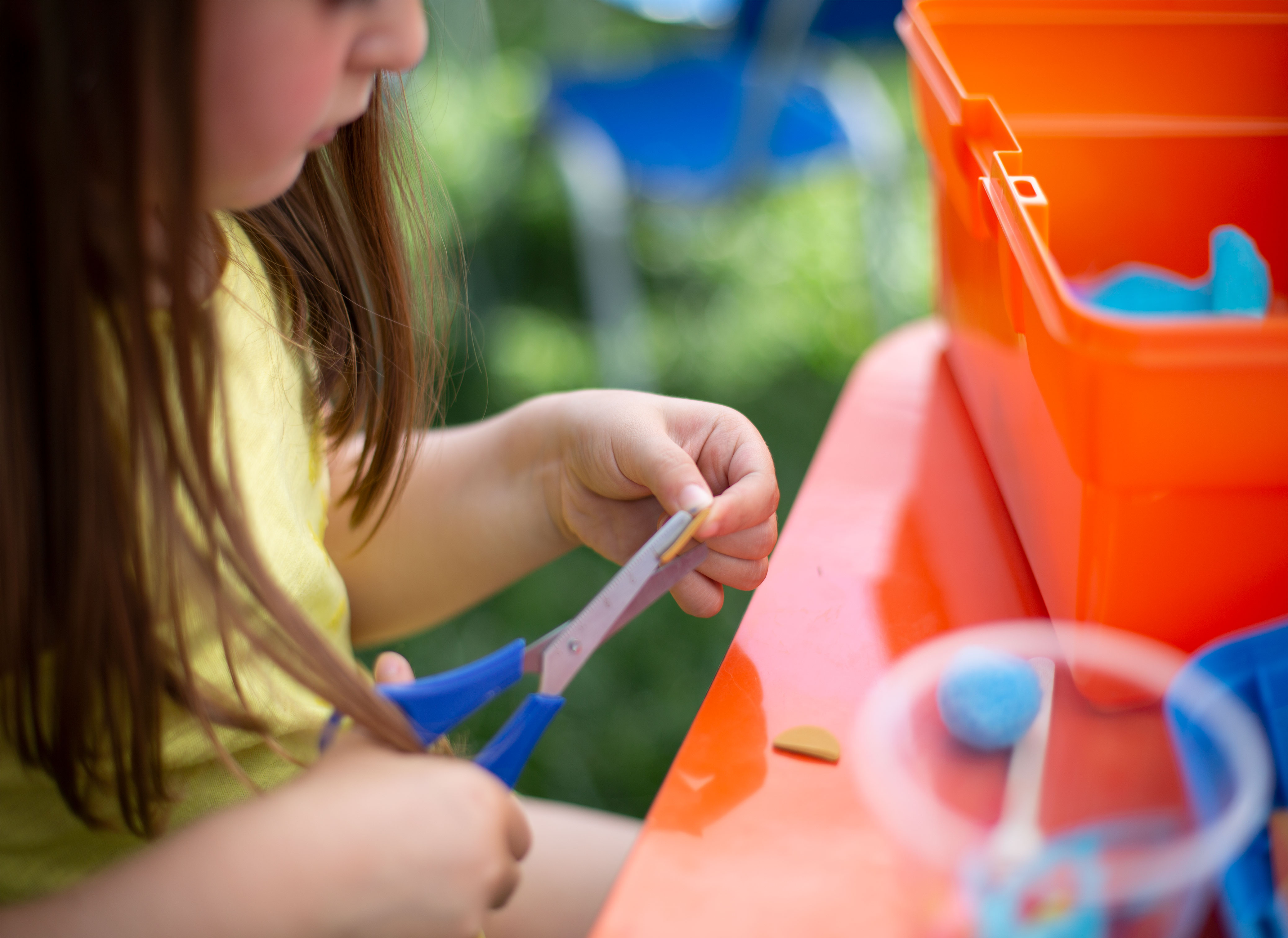
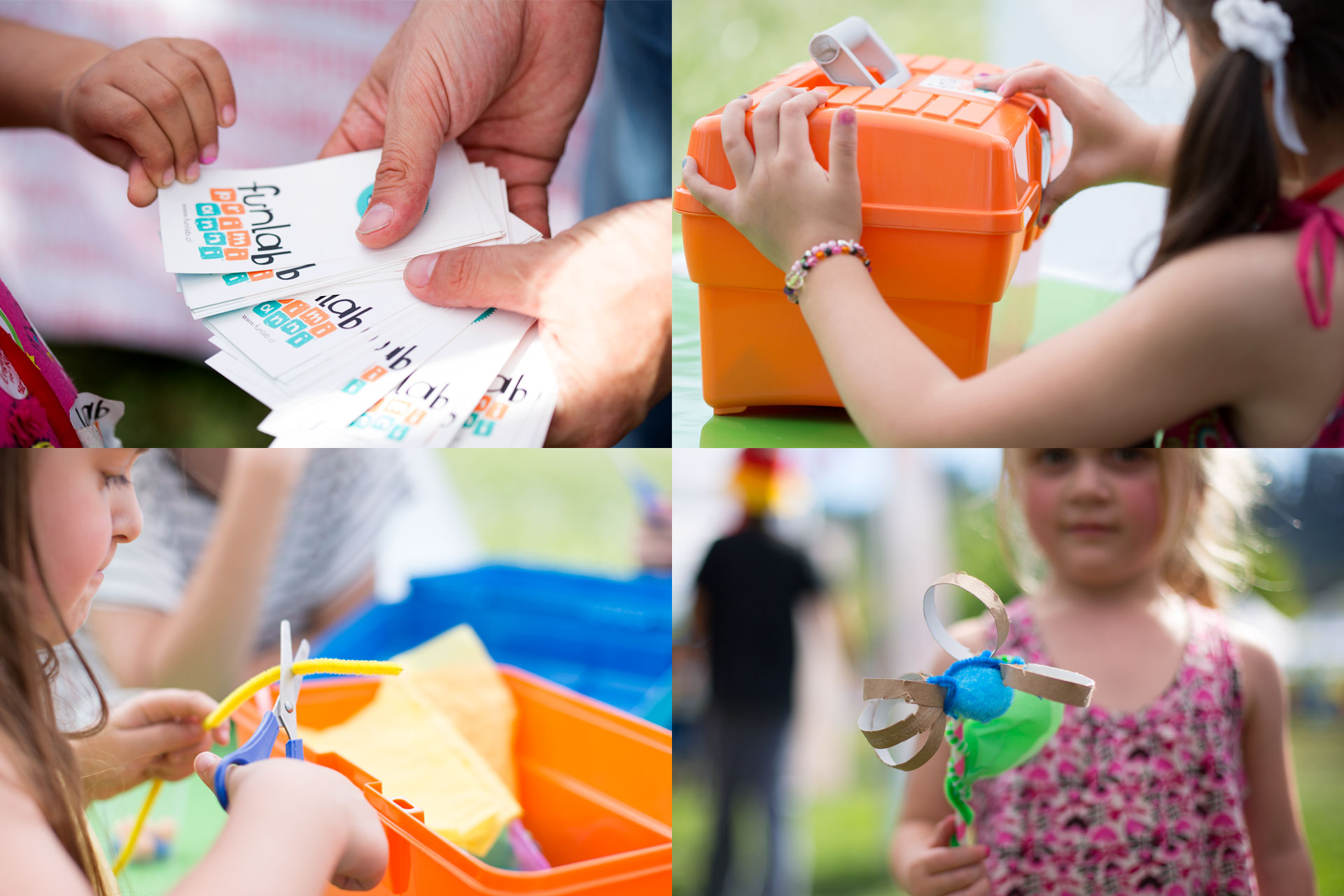
In children, we focus on mobilizing innovation, creativity and critical thinking skills, while fostering social-emotional development around key skills such as communication, collaboration, empathy and autonomy. To this end, we have created FUNLAB: a space for creative exploration where we invite children to discover, investigate and invent solutions to challenges that promote their integral development.
Learning by building
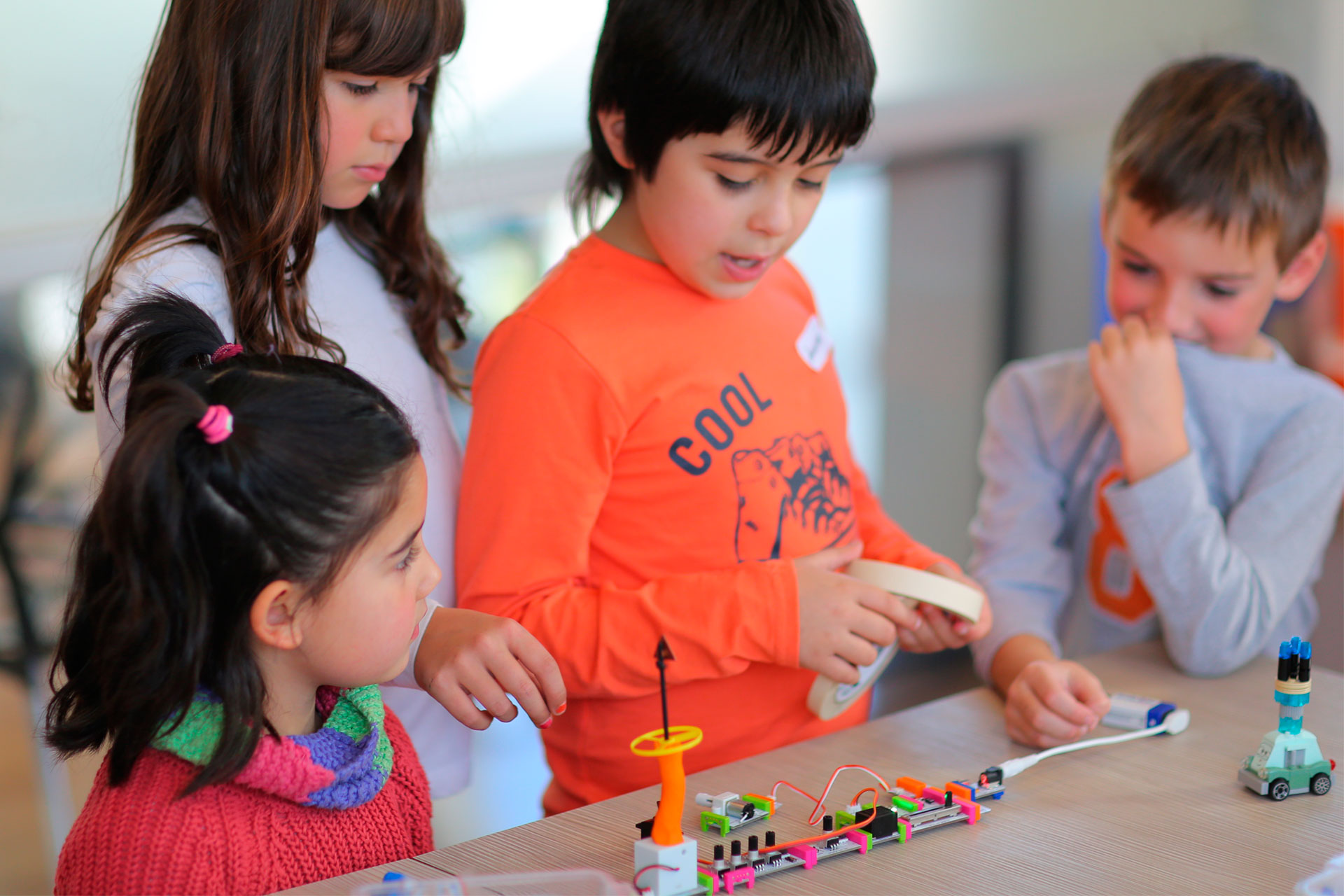
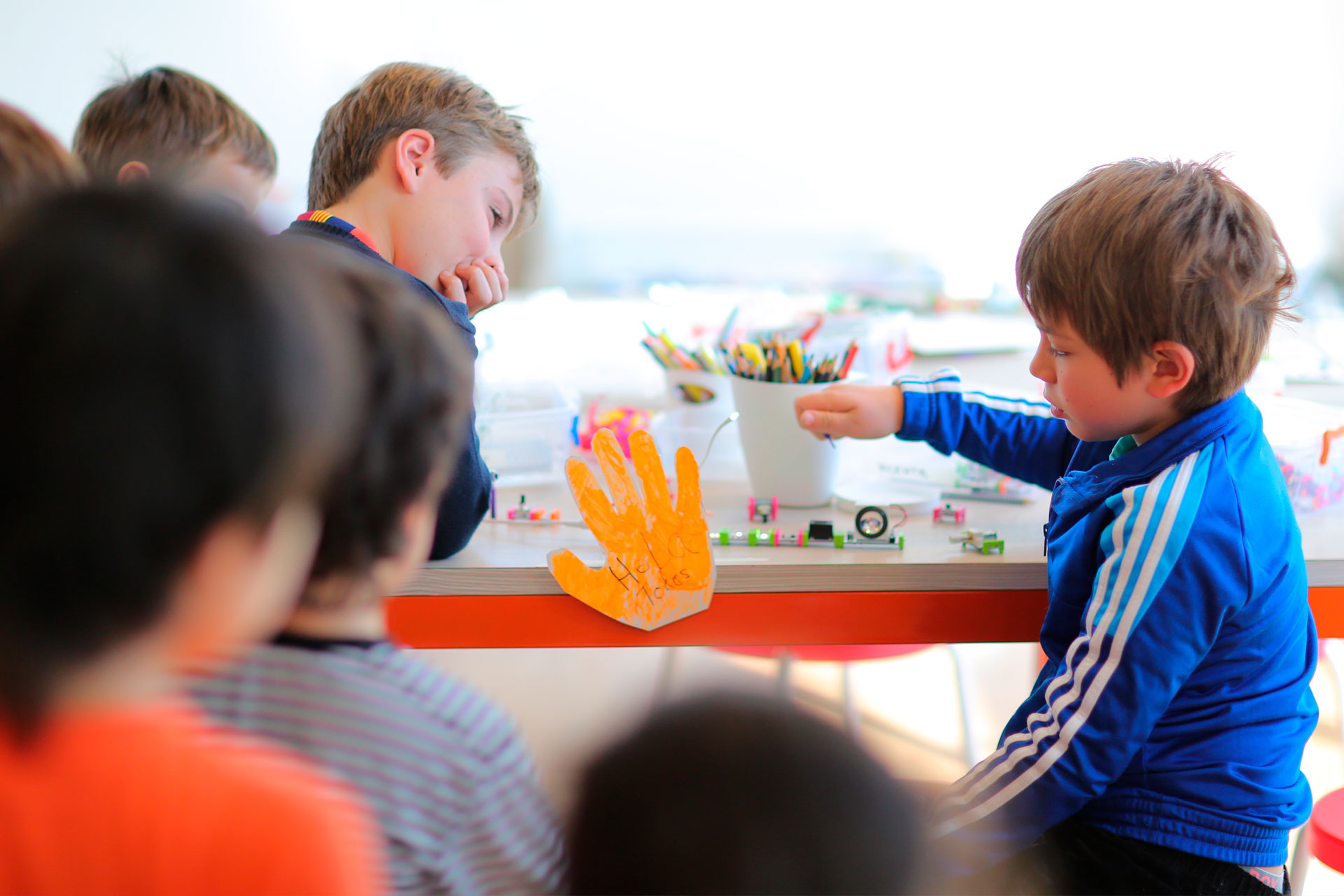
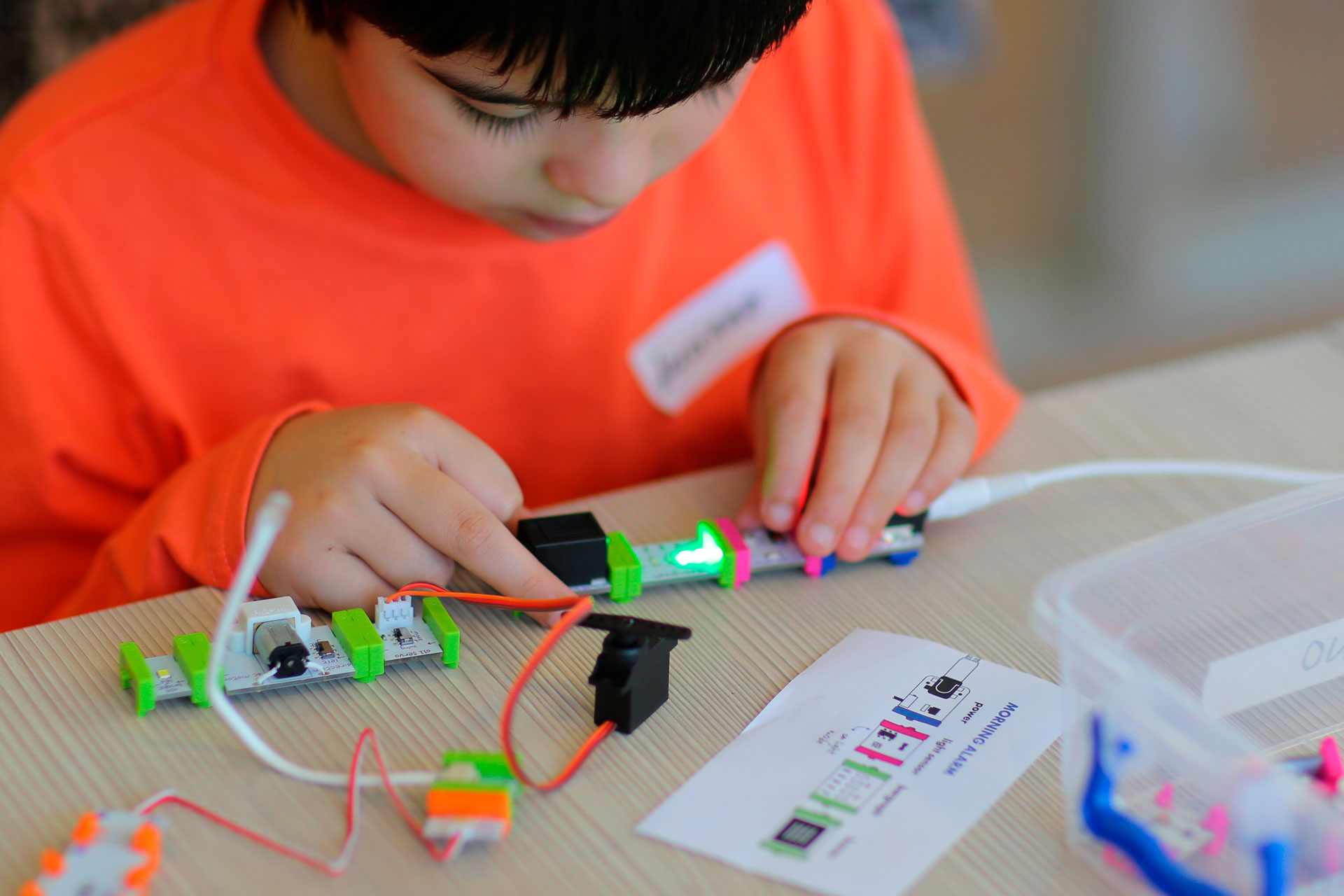
Through constructionism as a process – building, planning, relating, conceptualizing and then doing to generate meaning – we face with special effectiveness the so desired active learning. This approach promotes integration with our environment in a meaningful way and gives us tools to face new challenges, building knowledge and integrating concepts in a creative way.
Team learning
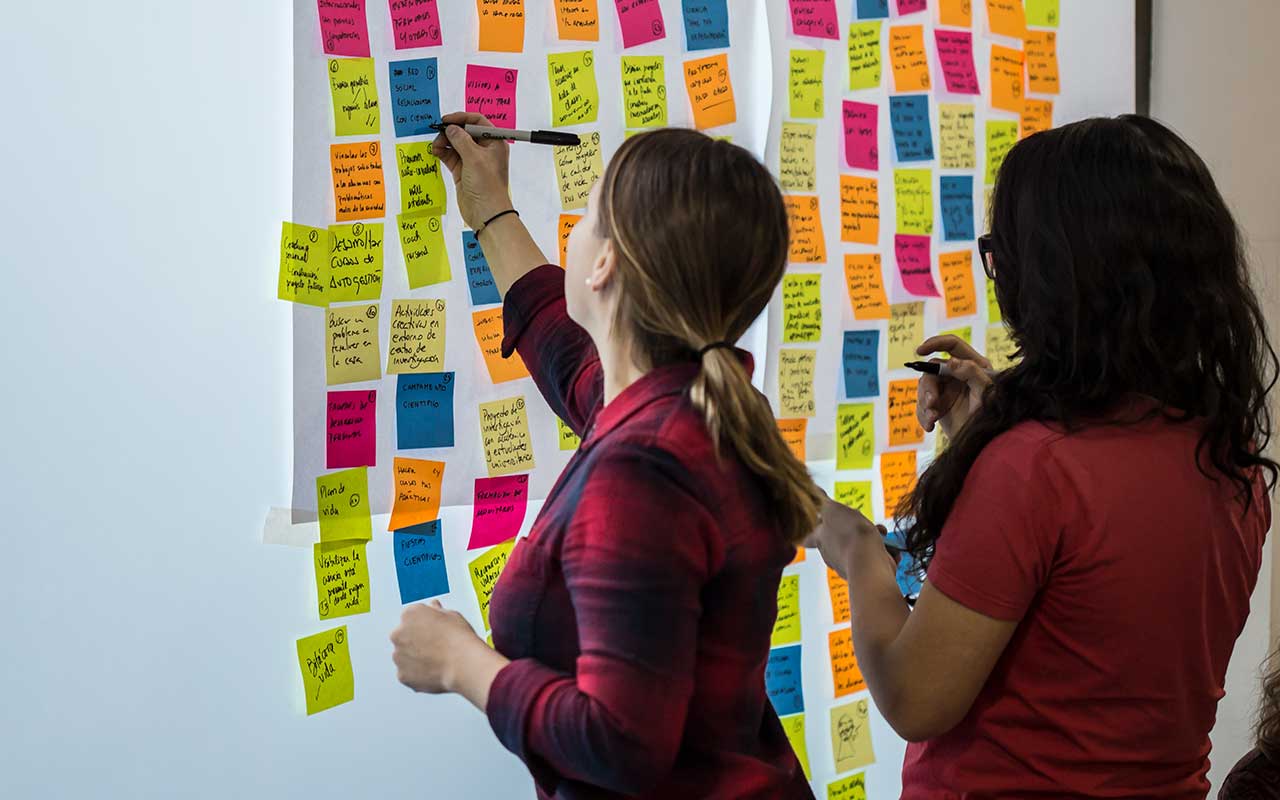
Sharing learning moments fosters discovery-driven experiences Diversity drives collaboration and teamwork, and creates an enabling environment from which high-performance activities, such as innovation, are enabled and successful outcomes emerge. Shared meaning-making from multiple perceptions generates a valuable synthesis of knowledge.
Learning through play
Play is fundamental to our connection with the world. Through it, we experience, relate and learn to interact with our environment giving meaning to our experience in order to imagine and then create. In this way, the game becomes one of the most powerful ways to develop intelligence and is the way children and adults actually learn. In our educational interventions, we promote safe spaces to experience and enjoy the process of playing.
Learning with emotions
Emotions are key to learning. They affect our ability to explore, adapt, incorporate new knowledge and value the knowledge we already have. Skills such as resilience, frustration tolerance and managing the feeling of risk, ambiguity and uncertainty are essential and at Yuken we focus on developing them.
Learning how to fail
How can we learn to fail? How can we build a path to make experimentation and iteration appreciated concepts? How do we handle frustration when results do not match our expectations?
To find the best solutions, we need meaningful learning that involves inquiry and experimentation. This encourages learning by making mistakes, through prototyping and failure analysis and resolution. This approach is key to the innovation process. At Yuken, we see failure as the result of testing our hypotheses during the development of a project. This requires methodology, rigor, mental flexibility and emotional resilience.
Learning to reflect
Developing reflective skills is essential in any learning process. It is about asking the right questions until a new understanding is reached. Constant and iterative reflection allows us to question our environment, manage our own progress, identify what is essential to assimilate new knowledge and redefine our actions. This means actively and deeply engaging in our experiences, exploring complex problems and contributing to real transformations.

